Web Content Author-McCullough Franck
Understanding the distinction between medical and medical eye treatment is critical when it comes to eye health. Surgical eye care addresses major problems via intrusive treatments, while medical eye treatment focuses on prevention and management of much less severe problems. When to look for each kind of treatment can dramatically impact your vision, comprehending. As you consider your very own eye wellness, you may question which path is right for you. Allow's explore these alternatives better.
Summary of Surgical Eye Treatment
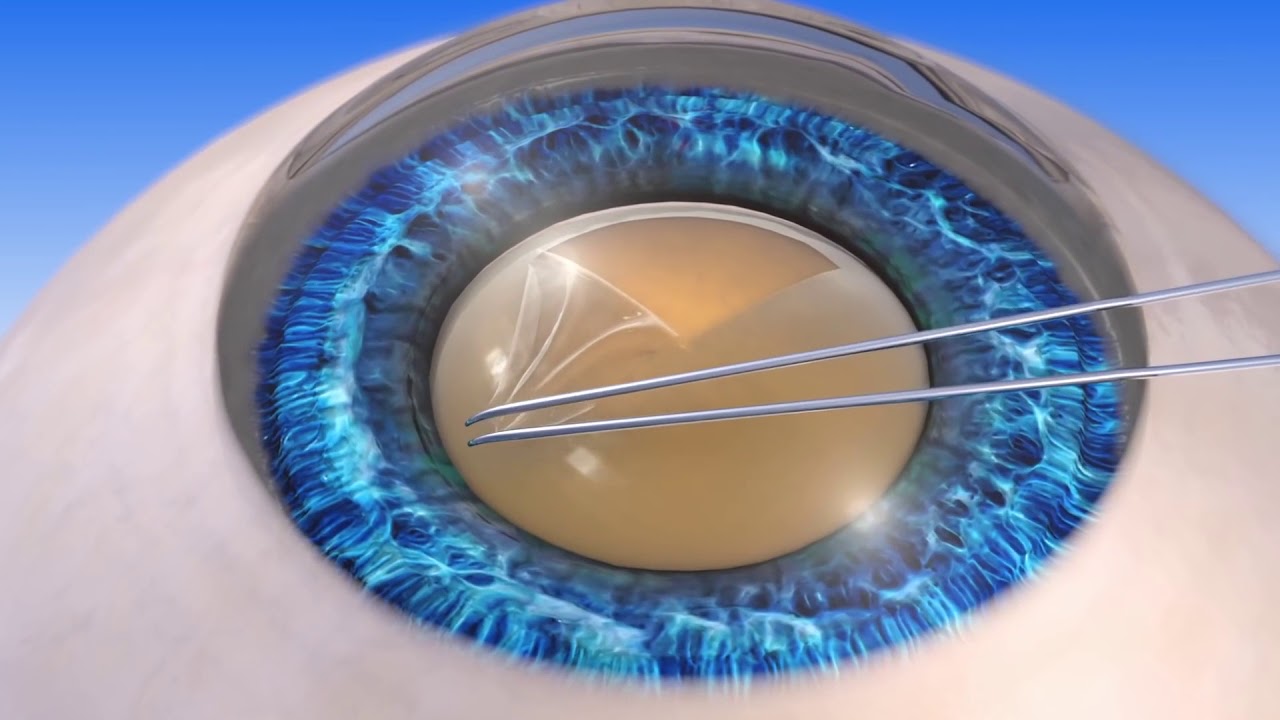
When you think about eye care, medical eye treatment usually comes to mind as an important alternative for addressing major vision problems. This type of care concentrates on treatments that can deal with or enhance significant troubles, such as cataracts, glaucoma, or retinal disorders.
You might think about LASIK or PRK for refractive errors, permitting you to reduce reliance on glasses or get in touches with. Surgical eye treatment includes a complete examination by an eye doctor, who'll direct you with necessary tests and talk about the best choices.
While these procedures can supply remarkable results, it's essential to recognize the threats and healing processes included. Inevitably, surgical eye care can supply life-altering enhancements to your vision, improving your quality of life dramatically.
Summary of Medical Eye Treatment
While surgical eye treatment addresses substantial vision issues with procedures, medical eye treatment focuses on the prevention, diagnosis, and treatment of less serious eye problems.
This type of treatment commonly entails managing chronic problems like glaucoma, cataracts, and diabetic person retinopathy. You'll commonly visit an ophthalmologist or eye doctor for detailed eye exams, where they'll assess your vision and eye wellness.
They might recommend medicines, suggest way of living adjustments, or offer non-invasive treatments to help maintain your vision. Normal exams are important, as they can catch potential troubles early.
When to Look for go source of Treatment, ##
Knowing when to look for surgical or medical eye treatment can make a considerable distinction in your vision health. If you experience unexpected vision modifications, like blurriness or loss of sight, it's crucial to look for immediate medical attention.
Medical eye treatment is usually your initial step for conditions like completely dry eyes, allergies, or infections. You must see an ophthalmologist for routine check-ups to manage ongoing issues.
On the other hand, if you're dealing with advanced cataracts, retinal detachment, or glaucoma that hasn't responded to drug, surgical intervention might be required.
Always trust your instincts-- if something really feels off with your eyes, don't be reluctant to get in touch with an expert. Your positive technique can bring about much better results for your vision.
Verdict
In conclusion, recognizing the distinction in between surgical and medical eye treatment is essential for preserving your vision. Alternatively, for less serious problems, routine clinical care can keep your eyes healthy and balanced and avoid further issues.
Surgical Eye Care vs. Medical Eye Care: Understanding the Difference
When it comes to eye health, knowing the distinction in between medical and medical eye care is important. Surgical eye treatment addresses serious conditions with invasive treatments, while medical eye treatment focuses on avoidance and monitoring of much less extreme problems. In final thought, recognizing the difference between surgical and clinical eye care is crucial for maintaining your vision. Alternatively, for less severe concerns, routine medical care can maintain your eyes healthy and stop additional problems.